Residential electrification refers to the process of bringing electrical power to homes and buildings for various purposes, such as lighting, heating, cooling, cooking, and powering appliances and devices.
Residential electrification involves connecting homes and buildings to the electrical grid, which is a network of power lines and infrastructure that delivers electricity from power plants to consumers. Inside the home, electricity is distributed through wiring and electrical outlets to power lights, appliances, and other electrical devices.
Energy Efficiency: Many electrical appliances and devices are designed to be energy-efficient, helping homeowners save on energy costs and reduce their environmental footprint.
Versatility: Electricity can power a wide range of devices and systems, providing flexibility and versatility in home design and functionality.
Reliability: Electrical power from the grid is generally reliable, with minimal interruptions compared to other energy sources.
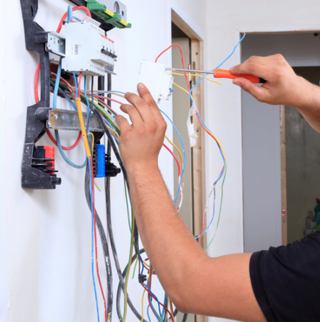
Residential electrification brings lots of good things to homes. It makes life comfortable by running heating and cooling systems smoothly. Plus, it makes daily chores easier with appliances like stoves and washing machines. Safety is also a big deal—modern electrical systems have built-in protections to keep us safe. And having electricity around improves our lives by giving us access to things like TV, phones, and other fun stuff. Overall, having electricity at home makes life better and safer for everyone living there.
Residential electrification plays a crucial role in modern living, providing homes and buildings with the power needed to support daily activities and enhance quality of life. From lighting and heating to powering appliances and devices, electricity is an essential component of residential infrastructure.