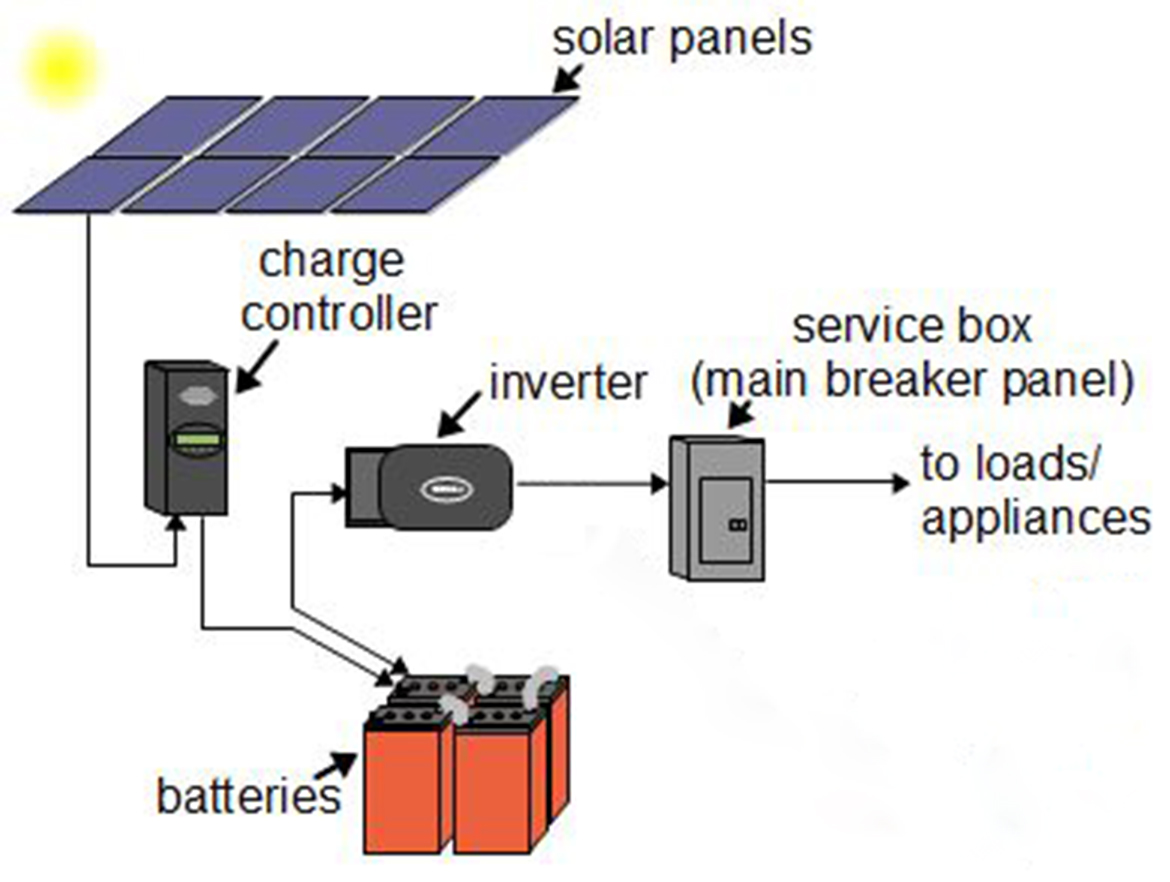
A solar off-grid system is a standalone solar power setup that operates independently of the main electrical grid. It typically includes solar panels, batteries for energy storage, charge controllers, and inverters.
Solar panels capture sunlight and convert it into electricity during the day. This electricity is then used to power appliances, lights, and other electrical devices directly. Any excess energy generated is stored in batteries for use when the sun isn't shining, such as during the night or on cloudy days. The charge controller regulates the flow of electricity between the solar panels, batteries, and appliances. Inverters convert the DC electricity produced by the solar panels into AC electricity, which is used to power most household devices.
Energy Independence: You're not reliant on the main electrical grid, giving you more control over your energy supply.
Remote Power: Allows you to access electricity in remote locations where grid connection isn't possible.
Environmental Sustainability: Solar power is clean and renewable, reducing your carbon footprint and environmental impact.
Backup Power: Provides backup power during grid outages or emergencies.
A solar off-grid system is essential for locations where there is no access to the main electrical grid or in situations where being self-sufficient is desirable. It provides reliable and renewable electricity, even in remote areas, making it ideal for cabins, boats, RVs, and off-grid homes.
A solar off-grid system offers a reliable and sustainable way to generate electricity independently of the main grid. It's perfect for off-grid living, remote locations, or as a backup power source during emergencies.